Is your drinking, or someone else's, too much?
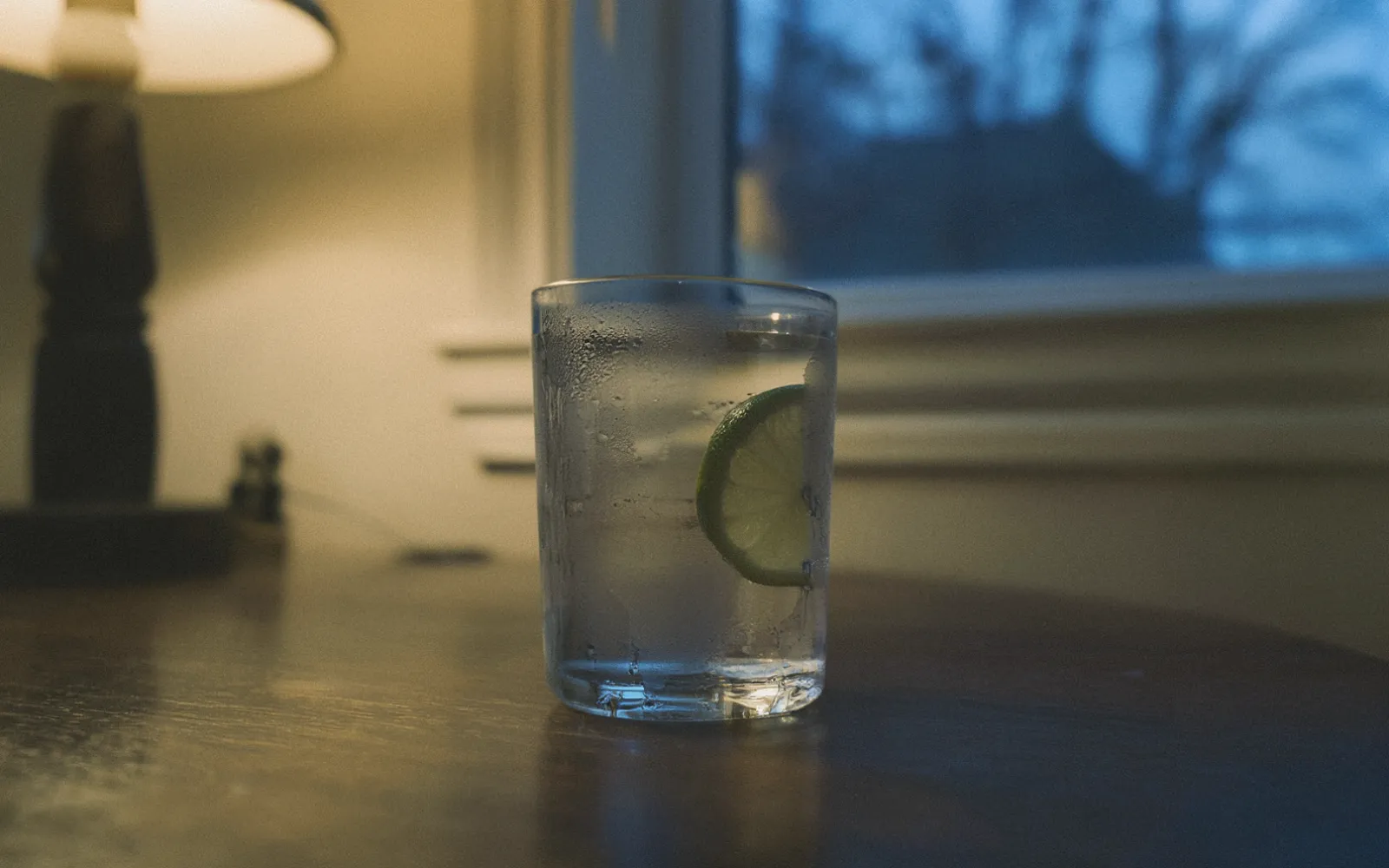
Most people who ask this question have a reason to. Maybe a doctor raised an eyebrow, a partner said something, or you noticed the recycling bin. Alcohol is so normal in daily life that it can be hard to know where ordinary drinking ends and a problem begins.
Research gives fairly clear answers, and they help whether you are asking about yourself or someone you love.
Start by counting standard drinks
In the United States, a standard drink contains about 14 grams of pure alcohol. That is roughly:
- 12 ounces of regular beer, about 5% alcohol
- 5 ounces of wine, about 12% alcohol
- 1.5 ounces of distilled spirits, about 40% alcohol
Real pours are often bigger. A craft IPA at 7% or 8% in a 16-ounce can is close to two standard drinks. A generous home glass of wine can be one and a half or two. A cocktail may hold two or three shots. Counting honestly for a week or two, using the real size of the glass or can, often tells people more than anything else.
Where the lines are
The National Institute on Alcohol Abuse and Alcoholism (NIAAA) uses these definitions.
Binge drinking is a pattern that brings blood alcohol up to 0.08%. For a typical adult, that means about five or more drinks for men, or four or more for women, within about two hours.
Heavy drinking for men means more than four drinks on any day or more than fourteen in a week. For women, it means more than three drinks on any day or more than seven in a week.
The US Dietary Guidelines have advised that adults who drink keep to two drinks or fewer in a day for men and one or fewer for women, on days when they drink. Less is better for health than more, and some people should not drink at all, including people who are pregnant, under 21, taking medications that interact with alcohol, or in recovery.
According to NIAAA's research, people who drink within these limits rarely develop alcohol use disorder. Among people who go over them, the risk rises steeply.
Signs that drinking has become a disorder
Heavy drinking and alcohol use disorder are not the same thing. Alcohol use disorder is a medical condition diagnosed using 11 criteria. NIAAA's Rethinking Drinking site turns them into plain questions. In the past year, have you:
- had times when you drank more, or longer, than you meant to?
- wanted to cut down or stop more than once, or tried and couldn't?
- spent a lot of time drinking, or being sick or getting over it?
- wanted a drink so badly you couldn't think of anything else?
- found that drinking, or being sick from it, got in the way of home, family, work or school?
- kept drinking even though it caused trouble with family or friends?
- given up or cut back on things you cared about in order to drink?
- more than once got into situations while or after drinking that raised your risk of getting hurt, like driving, swimming or unsafe sex?
- kept drinking even though it made you depressed or anxious, added to another health problem, or after a memory blackout?
- had to drink much more than before to get the effect you want?
- found that when the alcohol wore off, you had withdrawal symptoms such as trouble sleeping, shakiness, restlessness, nausea, sweating, a racing heart or a seizure, or sensed things that weren't there?
Two or three yes answers suggest mild alcohol use disorder, four or five moderate, and six or more severe. Only a professional can diagnose it, but answering the questions honestly is a good way to check in with yourself.
If it is someone you love
You can't count someone else's drinks for them, and trying usually starts a fight. What you can notice is the effect on their life and yours: missed commitments, changes in mood, hidden bottles, arguments that always seem to involve drinking, health problems, or safety risks like driving after drinking.
If you want to raise it, choose a sober, calm moment and talk about specific events and how they affected you. Our page on supporting a family member has detail on how to have that conversation and how to look after yourself.
Why it matters
Alcohol causes more harm than many people assume. CDC estimates that excessive drinking is responsible for about 178,000 deaths a year in the United States, from causes including liver disease, several cancers, heart problems, car crashes, falls and alcohol poisoning. Heavy drinking also worsens sleep, anxiety and depression, which can lead to drinking more.
Options for changing your drinking
You don't have to have a diagnosis, or hit bottom, to change how you drink.
Cutting back on your own works for many people with mild problems. Set a specific limit, track every drink, slow down by alternating with water, keep less alcohol at home and plan ahead for situations where you usually drink more. NIAAA's Rethinking Drinking site has free tools for this.
Counseling helps when cutting back on your own has not worked, or when drinking is tied up with stress, mood or relationships. Brief approaches like motivational interviewing and CBT have good evidence for alcohol. Our page on what counseling involves explains what to expect.
Medication is underused. Three medications are FDA-approved for alcohol use disorder: naltrexone, acamprosate and disulfiram. Naltrexone can reduce heavy drinking days, and acamprosate can help people stay abstinent once they have stopped. Any primary care doctor can prescribe them.
Mutual help groups such as Alcoholics Anonymous and SMART Recovery give peer support at no cost.
NIAAA's free Alcohol Treatment Navigator explains the options and how to find good care.
A safety warning about stopping
If you drink heavily every day, don't stop suddenly without medical advice. Alcohol withdrawal can cause seizures and a dangerous condition called delirium tremens. A doctor can help you stop safely, sometimes with medication, and sometimes in a supervised setting.
Where to go now
For help finding treatment, SAMHSA's National Helpline is free, confidential and open at all hours at 1-800-662-4357. If alcohol is part of a crisis, or you are thinking about suicide, call or text 988. Our finding care page lists more places to start.
This guide is general information, not medical advice. Talk with a licensed professional about your own situation. Last reviewed November 16, 2026.
Sources
- NIAAA, Rethinking Drinking
- NIAAA, Drinking Levels Defined
- CDC, Alcohol Use and Your Health
- NIAAA, Alcohol Treatment Navigator
Next guide: Relapse and recovery